
Simplify Your Bill: The Essential Guide to Canadian Cell Phone Plans
Navigating Cell Phone Plans: Insights from a Former Specialist
For three years, I was a cell phone sales specialist for The Source, a subsidiary of Bell, one of Canada’s largest telecom companies. During my time there, I achieved the #1 sales associate ranking for Eastern Canada two years in a row, managed my own store, and trained numerous employees to help customers find their perfect phone plan. Now, I’m sharing that insider knowledge with you, walking you through the sales process and exploring options you’ll likely encounter so you know exactly what to expect when choosing Canadian cell phone plans.
Universal Tips: What to Consider When Choosing a Cell Phone Plan
Data Needs: Do You Use a Little, or A LOT?

Data is consistently the top concern for clients choosing a phone plan. While regions like Europe and Asia often see mobile data deeply integrated into daily life with high reliance on data-driven services, North American plans typically bundle talk and text with more limited data allowances. This makes predicting your usage a bit trickier without first assessing your individual habits.
Are you a heavy data user or do you just need the basics? Knowing how to assess your habits is key to picking the perfect plan and avoiding costly overages.
To figure out your data needs, ask yourself a few basic questions:
- What will I be using my phone for when I’m not on Wi-Fi?
- Will I need internet access away from a Wi-Fi connection often?
- Will you be sharing this plan with anyone else?
If you answered yes to any of these, an unlimited data plan will likely be beneficial. Understanding your needs before purchasing is crucial because data overage fees can be extremely high. These charges can add up incredibly fast, especially on a family plan where shared data means everyone contributes to potential overages and fees. So, be careful and mindful of your usage if you opt for a limited data plan.
That said, don’t be afraid to go without an unlimited plan if it doesn’t fit your budget or usage. I personally don’t use an unlimited data plan and keep mine on all day, every day, typically using around 8-12 GB a month depending on my activities.
Contract vs. No Contract: Do You Need a New Phone?
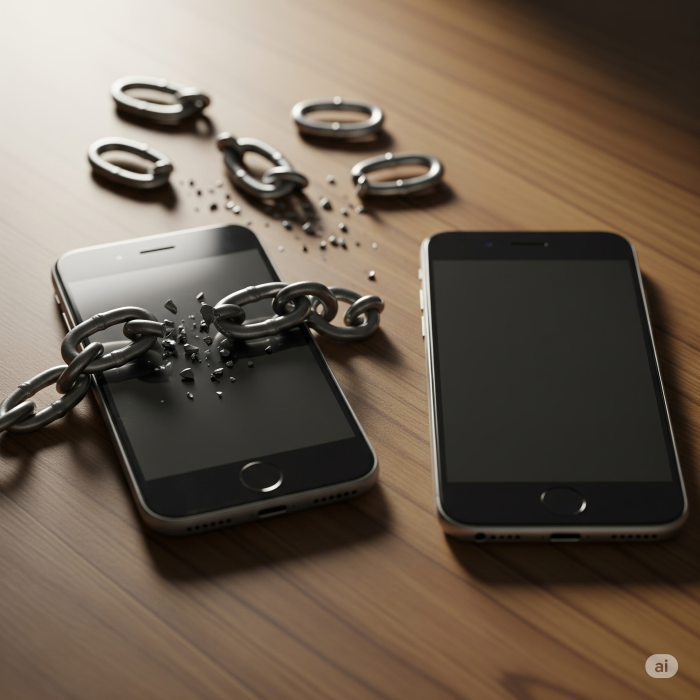
Choosing between a contract and a prepaid plan depends heavily on your budget and needs.
Prepaid plans are generally ideal if you’re on a tight budget or prefer flexibility. You pay upfront for your usage, which helps avoid surprise fees. A significant advantage of prepaid plans is that they do not require a credit check for activation. This can be particularly helpful if your credit history isn’t strong yet, or if you’re under 18 and can’t sign a formal contract.
Contracted phone plans (also known as post-paid plans) can come with a new cell phone or simply cover service for a device you already own. Tip: It’s almost always cheaper to sign a contract as a new customer to get a new phone compared to upgrading as an existing one. If you’re eyeing a new device, this is often the opportune moment. Telecom companies frequently offer more attractive deals to new clients, as acquiring new customers can be more cost-effective in the long run than retaining existing ones. However, existing customers can still often find opportunities to negotiate better plans or discounts, especially if they’ve been loyal to their provider.
Another benefit: having a phone contract, with or without a new phone included, can be an excellent way to kick-start your credit score. As long as you maintain regular, on-time payments, you’ll likely see a positive change in your credit score relatively quickly. This can be especially helpful for newcomers to a country looking to establish a credit report easily and affordably.
Network Coverage & Reliability
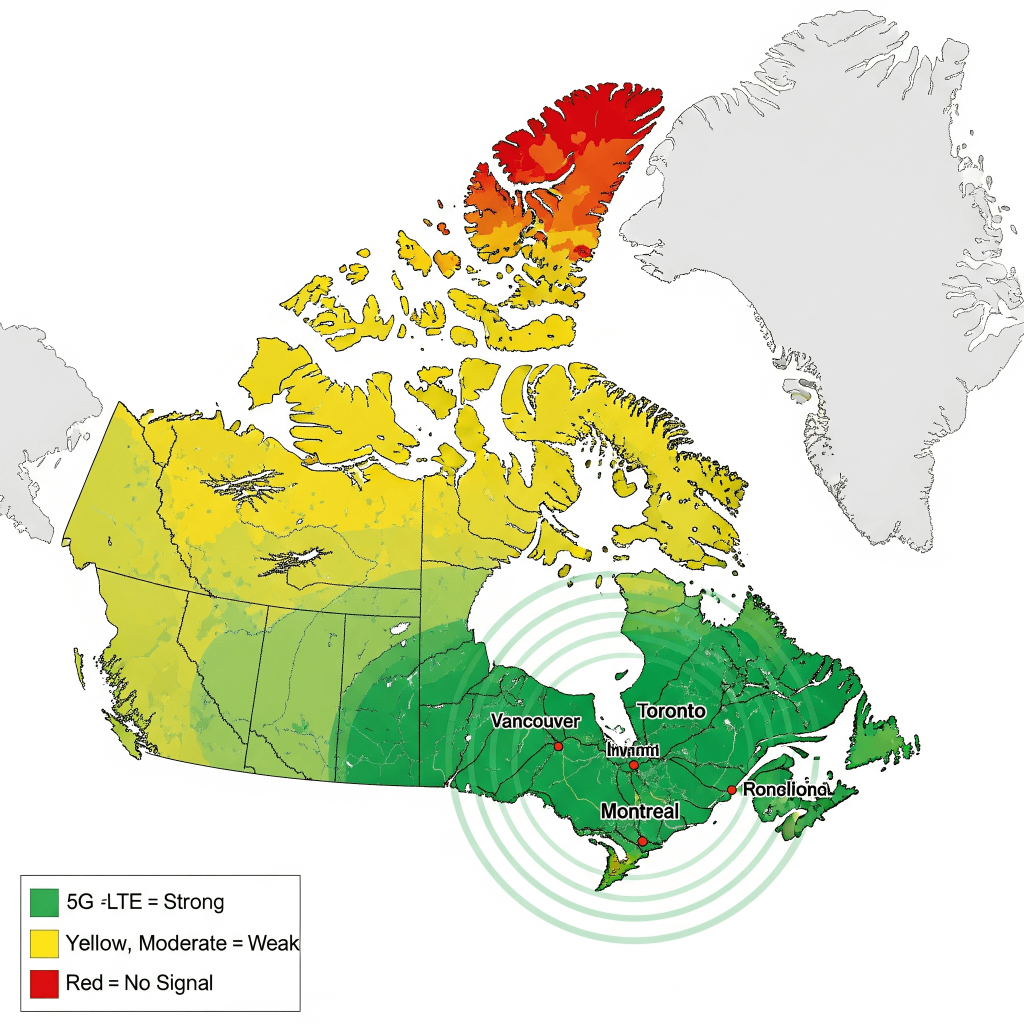
Understanding network reliability is key—choose a provider with the best coverage in your area for uninterrupted connectivity.
Always ensure your chosen carrier has strong coverage where you live and work. A cheap plan is useless if you can’t get a signal! While prepaid providers sometimes offer less robust coverage, major carriers aim for widespread reliability. Always review providers’ coverage maps and consider asking locals about their experiences. A 4G connection is the minimum standard, with 5G being preferable where available. For instance, in my Canadian region, Bell and its subsidiaries offer superior coverage compared to competitors like Rogers, which has limited presence, making Bell the better choice for reliable service here.
International Roaming Packages/Fees
If you’re a frequent traveler, consider plans offering international roaming packages or add-ons that extend your home plan abroad. Roaming charges can quickly escalate into hundreds or even thousands of dollars in overage fees. For example, on a recent trip to England and Spain, my provider offered a convenient one-time fee to use my Canadian package in both countries. This can also be beneficial for international students who might find their home package more affordable or prefer avoiding constant plan changes while traveling.
While Europe and Asia often have favorable roaming options, regions like the US, the Caribbean, or Latin America might involve separate add-ons or significant roaming charges. Always confirm the specifics with your provider.
Understanding Canadian Cell Phone Plans: How This All Applies To Canada
Now that we’ve covered the universal basics, let’s dive into how this all applies specifically within the Canadian telecom landscape.
Major Providers
Canada’s telecom market is primarily dominated by three major providers: Bell, Telus, and Rogers. Each holds significant control, offering competitive prices and diverse plans tailored to different regional needs. These major providers often feature “$0 down” plans for new phones, though these typically stipulate that you must return the device at the end of the term (or pay off the remaining balance to keep it). The advantage of such plans is the ease of upgrading to the newest device when it’s released, simply rolling any outstanding balance into your next phone agreement. However, be aware that fees will apply if the returned device is damaged.
Major providers also excel in offering shared data plans, allowing multiple phone lines and devices to draw from a single data pool. This is a huge benefit for families, tech enthusiasts, or anyone managing multiple connected gadgets like wearables, tablets, or mobile hotspots.
Family Plans
Family cell phone plans can save money and provide flexibility—perfect for households sharing data and contracts.
Many families benefit from family plans, which allow you to share phone packages and data at a reduced cost. These plans also often provide leverage in contract negotiations, as companies are keen to keep entire families together. While subsidiary providers like Koodo, Fido, and Virgin Mobile don’t offer the exact same family plan structure as Bell, Telus, or Rogers, they do allow multiple lines under one account with shared data, presenting a great option for families seeking savings.
Data Overages
In Canada, you’ll typically receive a warning when you hit 95% of your monthly data limit. Once you exceed your data, a charge of $10 for every additional 100MB used is applied. For context, that’s just a few minutes of social media scrolling or a handful of messages—and suddenly, you’re looking at an extra $10 on your bill. These overage charges are capped at a maximum of $50, unless you call your provider to remove this cap. I highly recommend keeping this cap in place, as telecom companies are quick to charge, and fees can escalate rapidly without it.
Cell Phone Protection Plans

The final question when purchasing a phone is almost always about adding a protection plan. Having experienced these plans firsthand, I’ll walk you through their pros and cons.
Pros include protection if your phone is lost, stolen, or damaged (even in scenarios like dropping it right out of the box). If you frequently break devices, this can be highly beneficial, especially for multi-thousand dollar flagship phones. Typical replacement costs range from $600-$800 depending on damage severity, with a minimum cost around $200.
Cons primarily revolve around the cost. A protection plan acts like insurance: you pay a monthly fee hoping you won’t need it, but even if you do, you still pay a deductible for replacement. The more expensive your phone, the higher the monthly plan cost. Providers have also significantly increased these costs recently, so I advise exploring alternative options before committing. Options like AppleCare or coverage through your credit card often provide more comprehensive coverage, sometimes even with free replacements or fewer claim conditions. Always check if you already have these benefits to potentially save money!
I personally recommend keeping a protection plan for the first three months—just long enough to adjust to the new phone and ensure you have a good case and screen protector. After that, if you’re careful with your device and have alternative coverage, you might consider dropping the plan with minimal risk. This is often my approach when purchasing a new phone.
Conclusion
Choosing the right cell phone plan doesn’t have to be stressful. It simply requires taking a step back to assess your actual needs. Whether you’re constantly on the go and need ample data, or you’re prioritizing the most affordable option, there’s a plan out there for you. For Canadians, understanding the nuances of major providers, family plans, and potential data overages is key to avoiding unpleasant surprises on your bill.
When it comes to cell phone protection plans, it’s a matter of weighing the monthly cost against your peace of mind. Remember, there’s no one-size-fits-all solution—it’s all about finding the optimal balance between coverage, data, and what comfortably fits your budget.
Ultimately, the best plan is the one perfectly tailored to your lifestyle and financial situation. So, take some time to research, compare your options, and ensure you’re only paying for what you truly need.
While selecting the right plan can feel like a big decision, as Michael Scott from The Office wisely says, “I’m not superstitious, but I am a little stitious.” Don’t let the multitude of options overwhelm you—focus on what truly works for you, and don’t fret over the small details.
Do you have any personal tips or experiences to share about choosing a cell phone plan in Canada? I’d love to hear from you! Drop a comment below, and let’s keep the conversation going.
Thanks for reading!
~ Alex





 English