
TFSA vs RRSP: Which Should You Use in Your 20s? (Canada)
When I opened my first investment account at 18, I had no idea whether to choose a TFSA vs RRSP. The bank advisor threw around terms like ‘tax-deferred growth’ and ‘contribution room,’ and I just nodded along pretending I understood. I ended up choosing a TFSA because… honestly, it sounded less complicated.
Five years later, after buying my first home at 23, I can tell you: that wasn’t a strategy. It was a guess. And while it worked out okay for me, I’ve since learned there’s actually a much smarter way to approach this decision.
Turns out, I wasn’t the only 18-year-old who had no clue what was up from down—because look at you! Reading this post! That’s right, most young Canadians are confused about the differences, what they do, and what’s the “right” choice to go with. Both accounts are powerful tools to help you with your financial goals, but they serve different purposes. This post will give you a clear decision framework based on YOUR specific situation, and by the end, you’ll know exactly which one to prioritize (and when to use both).
SECTION 1: The Basics – What Are These Things?
What is a TFSA?
- Tax-Free Savings Account
- You put money in (already taxed from your paycheque)
- It grows tax-free
- You take it out tax-free, anytime, for any reason
- The key benefit: Flexibility. No penalties (unless you over-contribute)
- Contribution limit: $7,000/year (2025), accumulates if you don’t use it
Think of it as a flexible savings account. Your money will be tied up in investments so you don’t spend it willy-nilly; however, you can take it out whenever you like. Just allow 3-5 days for withdrawals, as sometimes it can take time to liquidate and transfer your money.
What is an RRSP?
- Registered Retirement Savings Plan
- You put money in (and get a tax deduction NOW)
- It grows tax-free
- You pay tax when you take it out (presumably in retirement when your income is lower)
- The key benefit: Tax refund now + long-term growth
- Contribution limit: 18% of your previous year’s income (up to ~$31,560 for 2024)
Think of this one like a deal with the government—you get a tax break today in exchange for paying taxes later.”
The Critical Difference:
- TFSA = Flexibility, no tax on withdrawal
- RRSP = Tax break now, taxed later, locked until retirement (mostly)
Here’s a nice easy breakdown for you –
| Feature | TFSA | RRSP |
|---|---|---|
| Tax on contribution | Already taxed | Tax deduction |
| Tax on growth | Tax-free | Tax-free |
| Tax on withdrawal | None | Yes (taxed as income) |
| Withdrawal rules | Anytime, any reason | Penalties before retirement* |
| Best for | Flexibility, short-medium term goals | Retirement, high income earners |
SECTION 2: The Decision Framework – Which One Should YOU Use?

Scenario 1: You’re Making Under $50,000/Year
→ Prioritize TFSA
Why:
- Your tax bracket is low (around 20-25% depending on province)
- The RRSP tax deduction isn’t as valuable
- You probably need flexibility more than tax savings
- You might be saving for non-retirement goals (travel, car, emergency fund, house down payment)
What I did: While I was in university and making $30K–$40K a year, I used a TFSA exclusively. The flexibility mattered more to me at the time since I had numerous new expenses I wasn’t used to yet—like rent, tuition fees, textbooks, and groceries.
Scenario 2: You’re Making Over $50,000/Year
→ Consider splitting between TFSA and RRSP
Why:
- Your tax bracket is higher (30%+ depending on province)
- The RRSP deduction saves you real money
- You can use RRSP strategically (like the Home Buyers’ Plan)
- But you still want TFSA for flexibility
What I did: Once I started earning more after university, I opened an RRSP specifically for the tax benefits. I had already contributed $8,000 to my FHSA (which works like an RRSP for first-time home buyers), but I trickled in $50 per paycheque to a regular RRSP for extra tax savings.
Scenario 3: You’re Saving for a House Down Payment
→ Use FHSA first, then RRSP Home Buyers’ Plan, then TFSA
Why:
- FHSA gives you the best of both worlds (tax deduction + tax-free withdrawal for a home)
- RRSP Home Buyers’ Plan lets you borrow up to $35,000 from your RRSP tax-free
- TFSA is your overflow for any extra savings
What I did: This is exactly what Rachel and I did. We maxed out our FHSAs ($8,000 each) and used our TFSAs over the RRSP Home Buyers’ Plan, as we were still pretty young and didn’t have much built up in RRSPs yet. However, it was certainly nice to have the additional option should we need it.
Quick note on the FHSA: The First Home Savings Account is Canada’s newest registered account (launched in 2023). It combines the best features of both TFSA and RRSP specifically for first-time home buyers. If you’re planning to buy a house, this should be your first priority. Learn more in my First-Time Home Buyer post.
Scenario 4: You’re Focused on Early Retirement or Financial Independence
→ Max out TFSA first, then RRSP
Why:
- TFSA gives you more control and flexibility
- No forced withdrawals at age 72 (like RRSPs have)
- Easier to access before traditional retirement age
The Simple Rule:
If you’re under 30 and earning under $50K, go TFSA. If you’re over $50K and focused on retirement or buying a home, use both strategically.
SECTION 3: Common Mistakes Young People Make
Mistake #1: Thinking You Have to Choose Just One
- You can (and probably should) use both
- They’re tools for different purposes
- Most people in their late 20s use both once their income grows
Mistake #2: Using an RRSP Too Early
- If you’re in a low tax bracket, the deduction is minimal
- You’re locking up money you might need
- Better to build TFSA room first, then switch to RRSP as income rises
Example: I have a friend who maxed his RRSP at 22 while making $35K. He got maybe $1,500 back in taxes. Then at 25, he needed that money for a car and had to pay penalties to withdraw any of it. Don’t be that guy.
Mistake #3: Ignoring the FHSA If You Want to Buy a Home
- If you’re a first-time buyer, the FHSA is literally free money
- Tax deduction on the way in, tax-free on the way out
- $8,000/year limit, $40,000 lifetime
The FHSA is the single best savings vehicle for first-time home buyers. If you’re even thinking about buying in the next 5-10 years, open one yesterday. Extra plus: Your partner or spouse can open one too—double up!
Mistake #4: Not Investing What’s Inside
- A TFSA or RRSP is just a container
- You need to actually invest the money (stocks, ETFs, bonds)
- Leaving it in cash = missing out on growth
Not sure how to invest? Check out my guide: Investing 101
Mistake #5: Over-Contributing
- Both accounts have limits
- Going over = penalties from CRA
- Track your contribution room (check CRA My Account)
Most accounts have a tracker showing how much you’ve put in for that calendar year. However, they are not responsible for knowing how much contribution room you have available. Make sure to double-check if you’re unsure.
SECTION 4: How I Personally Use Both

My Current Setup (Age 25):
TFSA:
- Emergency fund (3-6 months expenses in a high-interest savings account)
- Flexibility fund for big purchases or opportunities
- Total: ~$15,000 (my happy number is a minimum of $5,000 in both accounts, just in case)
RRSP:
- Long-term retirement savings (managed by my bank)
- Contributing $50 bi-weekly via automatic transfers
- Building slowly for retirement and tax credits
- Total: ~$2,000 (I only started contributing last year)
FHSA:
- Used this for my home down payment (now closed since I bought the house)
- Contributed $8,000 in 2023, rolled over room to 2024
- This was the MVP for getting into my house at 23
My Strategy Moving Forward:
- Max TFSA room each year for flexibility
- Continue small RRSP contributions for tax benefits
- Once I’m earning more (hopefully at a new job soon!), I’ll increase RRSP contributions
The key: I don’t stress about “optimising” perfectly. I automate contributions, keep investing, and adjust as my life changes. Small amounts compound over time, and before you know it, you’ll have a lot more than when you started.
SECTION 5: Quick Decision Flowchart
START HERE:
→ Are you saving for a house in the next 5 years?
- YES → Open FHSA first ($8K/year)
- NO → Continue below
→ Is your income under $50,000?
- YES → Prioritize TFSA
- NO → Continue below
→ Is your income over $50,000?
- YES → Split between TFSA (flexibility) and RRSP (tax savings)
- NO → Stick with TFSA for now. As your income grows, revisit adding an RRSP.
→ Do you have an emergency fund?
- NO → Build this in a TFSA or high-interest savings account first (3–6 months’ expenses)
- YES → Max TFSA, then RRSP
Conclusion
The truth is, there’s no perfect answer to TFSA vs RRSP. It depends on your income, your goals, and your timeline. But here’s what I know for sure: doing something is better than doing nothing while you wait for perfect clarity.
If you’re in your 20s and just starting out, open a TFSA and start contributing—even if it’s just $50 per paycheque. As your income grows and your goals clarify, you can add an RRSP to the mix.
The accounts I opened at 18 and 22 are a big reason I was able to buy my house at 23. Not because I was perfect, but because I started early and stayed consistent.
Your next step: Open whichever account makes sense for your situation this week. Set up an automatic transfer. Then stop overthinking it. Starting today is better than starting tomorrow and stressing yourself out.
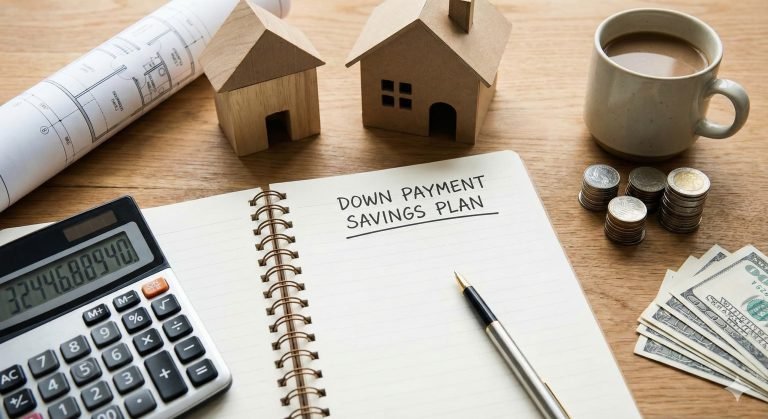
Want more tactical money advice? Check out my complete guide to Down Payment Savings or Building Credit 101.
Which account are you prioritizing right now—TFSA or RRSP? Let me know in the comments!
Cheers for reading, and good luck with your savings journey. Until next time.
Alex.


 English